The software behind the project cases, laid out properly: what runs in the browser, what stays local, where state moves, and which parts needed custom tooling.
Client responsibilities split at the data boundary.
Constraint
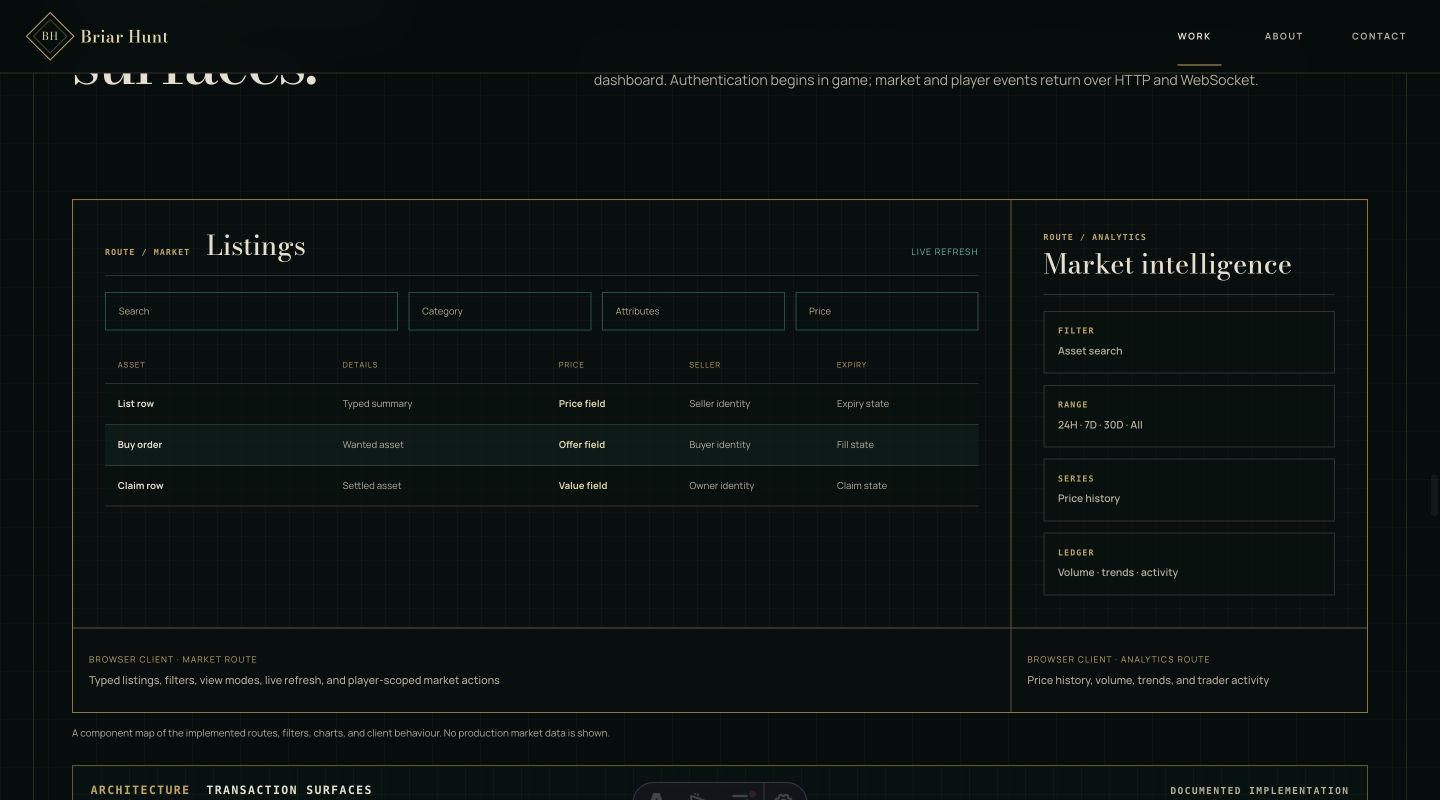
Listings, auctions, buy orders, analytics, profiles, and administration all share live domain state but have different interaction and rendering needs.
Decision
TanStack Query owns request state and cache lifecycles. WebSockets carry live events. Three.js and Recharts stay inside the surfaces that need them.
Async voice and broadcast state need somewhere to be debugged.
Constraint
Streamed voice, interruption, memory retrieval, operator input, and broadcast events can all change state while a response is in flight.
Decision
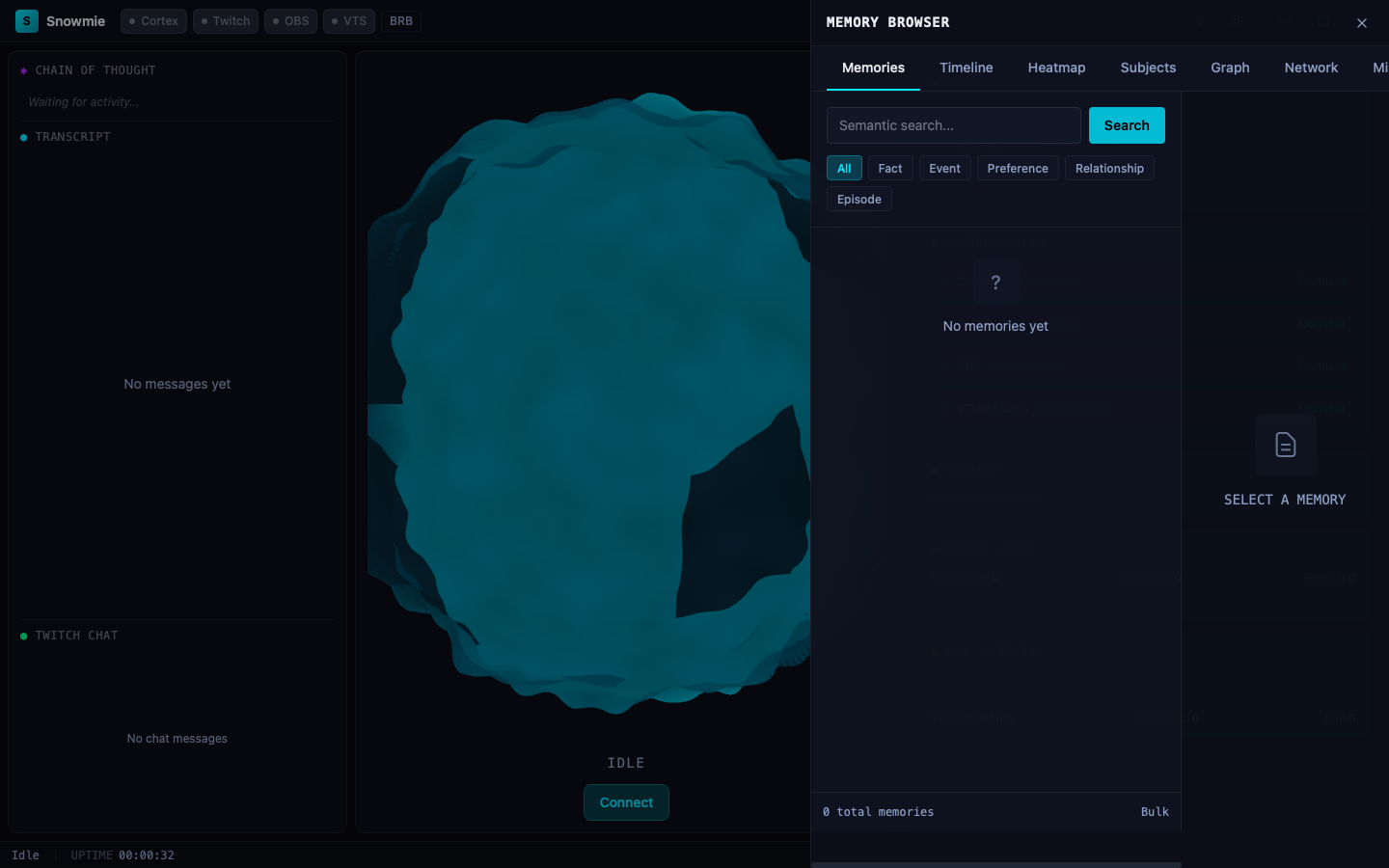
The Electron operator surface exposes the runtime instead of pretending it is stateless. Memory stays local and searchable; integrations report their own connection state.
Operational state stays visible, even when the system is quiet.
Constraint
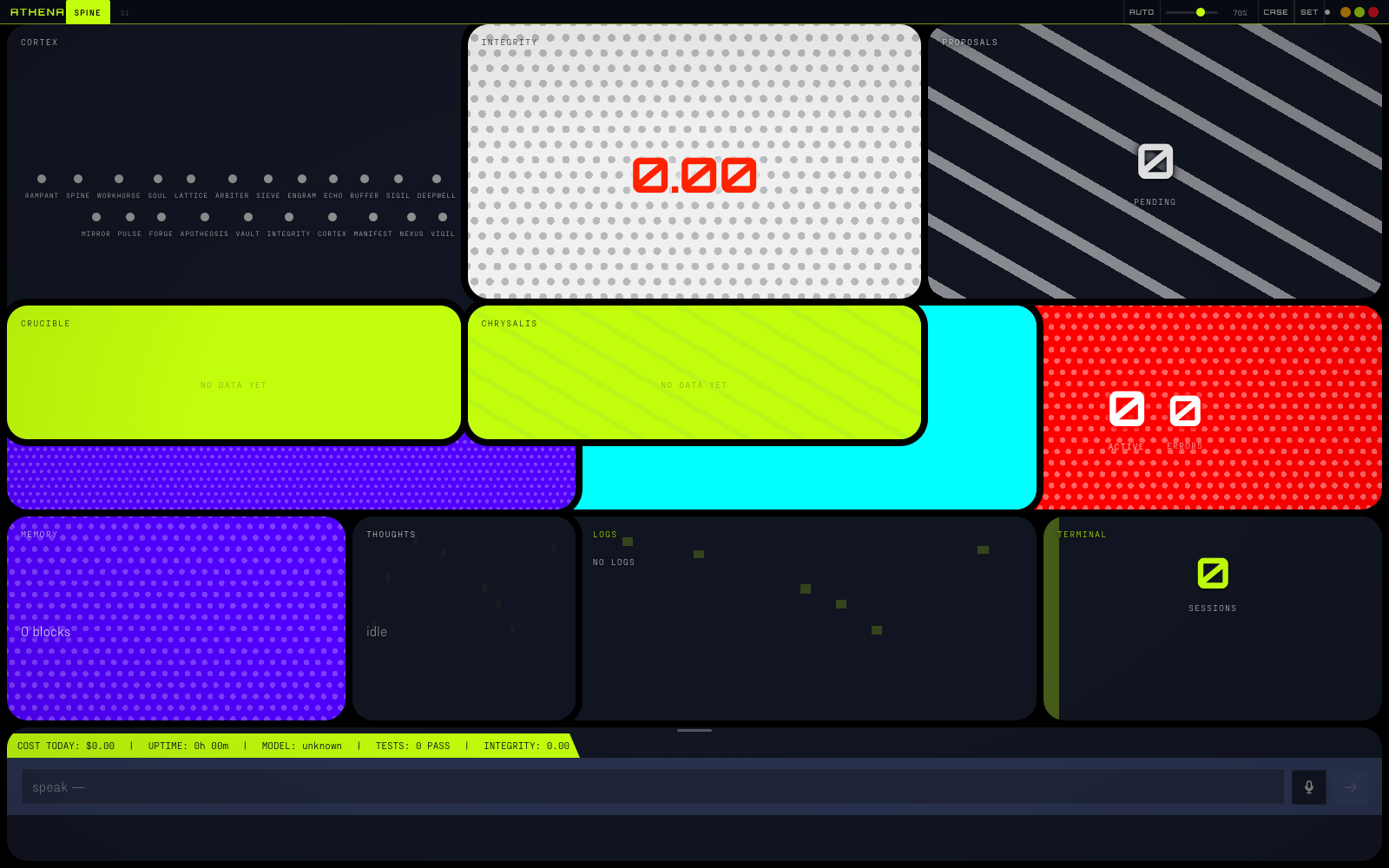
Model routes, memory, tools, costs, integrity, and connected services needed one inspectable surface without moving private state to a hosted dashboard.
Decision
Bun and Hono form the local service boundary. SolidJS drives the interface. Tauri packages the main window and a reduced secondary display.
The public documentation system and its browser authoring tools live beside a dashboard, service layer, worker, integrations, and release infrastructure.
The current repository contains 280 documentation pages and 19 browser tools.
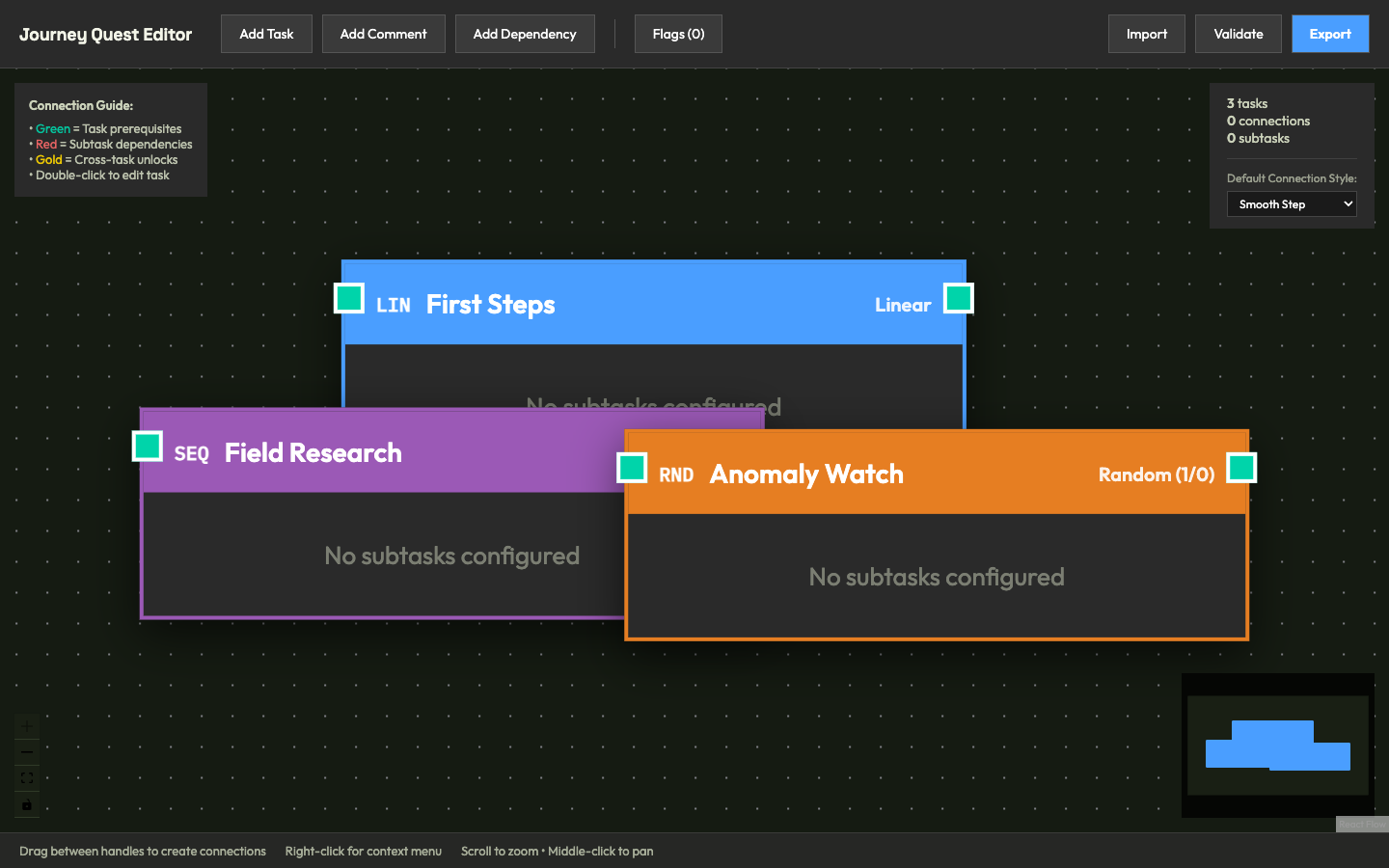
React Flow node graphs and Blockly editors produce structured configuration rather than decorative diagrams.
The service layer includes Fastify, Drizzle, SQLite, a dashboard, a worker, Discord integration, and an MCP server.
A desktop control system where streamed voice, interruption, conversation state, semantic memory, broadcast context, and character output meet one operator interface.
Electron remains the desktop shell for the current Mission Control application.
SQLite and vector search support conversation and memory inspection without hiding state behind a remote service.
Twitch events, OBS context, VTube Studio output, WebSockets, and streamed audio converge in the monitored runtime.
The portfolio is its own Astro and TypeScript system: static output, project-specific layouts, representative working artefacts, and no general-purpose CMS.
Astro emits complete HTML, CSS, fonts, images, and progressively enhanced TypeScript for a plain Nginx deployment with no tracking.
The project atlas and three sanitised system specimens work from deterministic local data; the underlying case-study content remains readable without them.
Cross-document transitions hand real project artefacts into their case studies. Safari receives the same navigation through a CSS aperture fallback.
Blueprint mode exposes the page grid and implementation labels; reduced-motion, keyboard operation, and focus states are treated as first-class paths.
Deployment creates a guarded server snapshot before replacing the live build. A build-time checker validates routes, fragments, and asset references.
Nginxguarded snapshotsstatic route and fragment audit
Continue through the practice atlas
The rest of the work has its own records.
Java and Kotlin systems, design decisions, and production direction are indexed separately so this ledger can stay about the browser, desktop shells, local services, and the JavaScript / TypeScript implementation itself.